Catalog
Price:



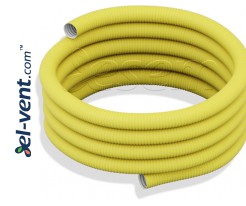
EPP ducts for heat recovery systems are expanded polypropylene ducts and fittings in Ø125, 150 and 180 mm: they insulate against heat loss, damp noise and stop condensation, so no extra insulation is needed.
We deliver worldwide. Read on at the bottom of the page.
In a heat recovery system the ducts carry warm and cold air all the time, so heat loss and condensation are the main problems. EPP solves both in a single layer.
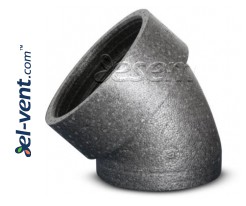
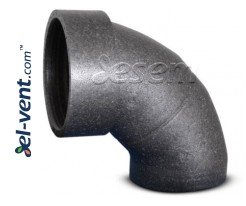
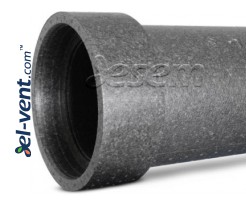
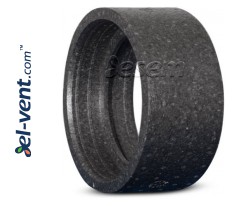
EPP ducts with coupling come in Ø125, 150 and 180 mm, 0.5 and 1 m long, with the coupling fixed in the set. 45° bends EPP45 and 90° bends EPP90 change direction, and EPP-MO couplings add extra joints.
The EPP wall is 15 mm, thermal conductivity is 0.039 W/mK, the airtightness class is C and surface roughness is only 0.077 mm, so air flows with little resistance. The material is light and damps noise, and thermal bridges disappear.
| Parameter | Value |
|---|---|
| Material | expanded polypropylene EPP, 15 mm |
| Diameters | Ø125, 150, 180 mm |
| Length | 0.5 and 1.0 m |
| Thermal conductivity | 0.039 W/mK |
| Airtightness class | C |
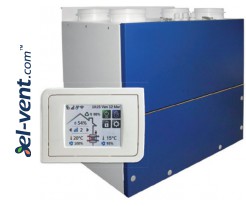
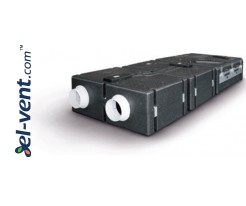
The REC in line and REC vertical units use a Ø125 mm system and have an EPP body too. For other ducts choose HDPE, antibacterial or galvanised, and distribute air with metal diffusers.
el-vent.com offers EPP ducts for heat recovery, bends and couplings. We deliver worldwide. If you are unsure about the system layout, write to us under Contacts and we will help you choose.
EPP ducts come in Ø125, 150 and 180 mm, 0.5 and 1 m long. Ø125 mm fits REC in line and REC vertical units directly.
No. The 15 mm EPP wall insulates against heat loss (0.039 W/mK), damps noise and stops condensation, so thermal bridges disappear.
Surface roughness is only 0.077 mm and the airtightness class is C, so air flows with little resistance and leakage is minimal.
The ducts come with a coupling fixed on, EPP45 and EPP90 bends change direction, and EPP-MO couplings add joints.
For supply and exhaust in heat recovery systems, especially where ducts pass through cold spaces and condensation must be avoided.